What Size Storage Unit Do I Need
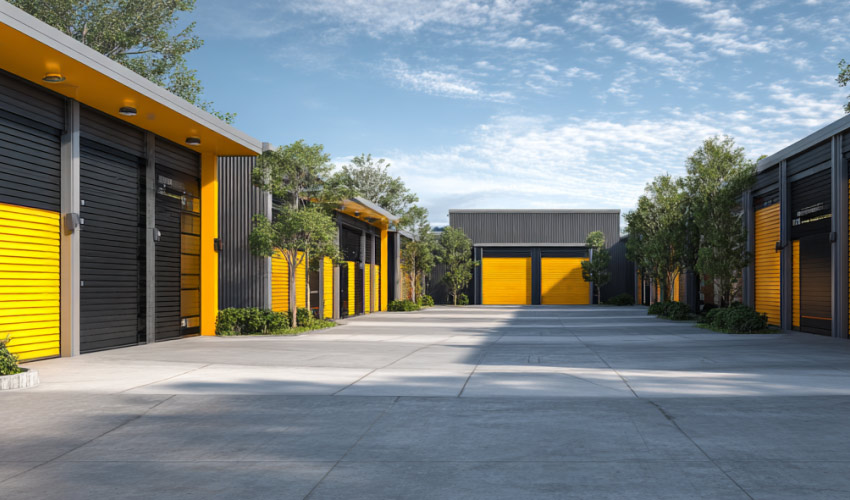
Hiring a storage unit is beneficial when you start to run out of storage space in the home. While you could buy a new house, house prices these days are expensive and if you live in London, hiring a storage unit is often a better option.
However, some people can get confused when hiring a storage unit because there are so many options out there and naturally you may be wondering what size storage unit you need.
In this article, we will look at the choices available to you and also run you through the thought process you should be thinking about when renting storage units for the first time, so lets jump right into it.
The answer really depends on what you plan to store and how much space your furniture will take up. You also need to consider how often you will need access to your storage space because having a slightly larger storage space will make finding your items easier. However if your unit is too big then you will end up wasting money on storage that you aren’t using so lets run through what you actually need.
Work out how much space your belongings need
What is going to go inside your unit, are you storing large furniture, are you storing small books or something in between. You may want to store business stock, or office supplies, or you simply may want to store the contents of a small room in your home while you renovate. You also need to consider how long you will need to store them for.
When you know what you want to store you can then plan ahead so you can estimate how much storage you actually need.
For students who don’t need much storage, a small locker style unit or storage space between 10 to 25 sq. ft. could work well for storing essentials such as clothes, books and small furniture, of course if you need to store beds, cupboards, desks and any larger furniture you will need a larger storage unit.
If on the other hand you are renovating a studio or moving from a one bedroom home, consider storage around 50 sq. ft., which comfortably fits a small sofa, bed and several boxes, this will usually be enough storage for your needs.
If you have a larger home and you need to store the contents of a two or three bedroom home then usually you will need something along the lines of 100 to 150 sq. ft. unit, which is enough space for larger furniture and appliances.
Families with bulkier items or businesses storing lots of stock may need 200 sq. ft. or more to allow room for wardrobes, equipment and easy access inside the unit.
How to calculate the space you need
One of the best ways to choose a unit size is to list everything you plan to store. Include the number of boxes, bulky items like wardrobes or fridges and smaller belongings that tend to get forgotten.
It is usually better to slightly overestimate than run out of space. Extra room inside allows you to move around comfortably and gives you access without constantly unpacking and repacking.
Think about how you will use the unit. Short stays mean you can stack items tightly. But for regular access, leave a small walkway so you can reach what you need without frustration.
Understanding different storage unit sizes
A small storage unit is similar in size to a large garden shed. It will hold boxes, small home items and seasonal belongings.
A medium storage unit can fit the typical contents of a one or two bedroom flat including furniture, kitchen items and more.
A large storage unit, around the size of a garage, suits the contents of a full family home. It is ideal for business owners needing long term storage of stock and equipment.
Remember that location affects price. For example, storage costs in cities such as London or Manchester are usually higher than suburban areas.
The goal is to find the right balance so you are paying for the space you need and not wasting money on unused square footage.
Get the most out of your storage
Once you have selected the right self storage unit, pack it wisely. Place heavier furniture and sturdy items toward the back and stack lighter goods near the front. Filling the space efficiently protects your belongings and prevents damage. If you have larger items that you want to store then consider hiring a drive up unit too.
Use strong labelled boxes so you can find everything again without hassle. For furniture in long term storage, use breathable covers to protect against dust build up while allowing air to circulate.
