Where to Store Winter Coats, Boots and Seasonal Clothing After Christmas
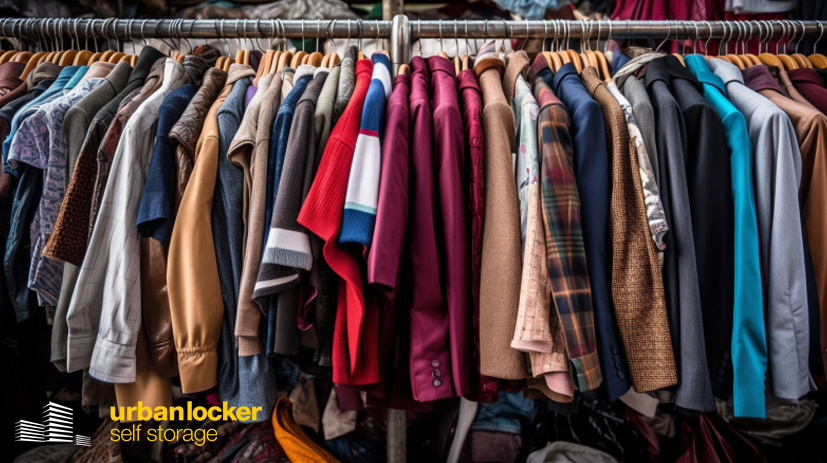
Once Christmas has passed, many homes start to feel overcrowded. Winter coats hang unused, boots pile up by the door, and wardrobes feel tighter than they did a few months earlier. Seasonal clothing that made sense in December can quickly become clutter in January.
Storing winter coats, boots and seasonal clothing properly after Christmas helps restore space without forcing you to get rid of items you will need again next year.
Why seasonal clothing creates clutter so quickly
Seasonal clothing is bulky by nature. Coats take up wardrobe width, boots demand floor space, and knitwear needs careful storage to avoid damage.
In many homes, these items are worn heavily for a short period and then barely touched for months. When they remain in everyday storage, they crowd out clothing that is actually used.
This is why wardrobes often feel overfilled even when you feel like you have nothing to wear.
Decide what you will still wear this season
Before storing anything away, separate winter items into two groups.
Items you will still use regularly should stay accessible. Heavy coats, everyday boots and workwear may still be needed for several weeks or months.
Occasional items such as ski jackets, snow boots, festive outfits or spare coats can usually be stored immediately after Christmas.
This avoids unnecessary storage and keeps daily routines simple.
Storing winter coats properly
Coats need space and airflow.
Before storing them, make sure they are clean and completely dry. Dirt and moisture left in fabric can cause damage over time. Use padded hangers or fold carefully to avoid creasing.
Breathable garment bags are ideal for coats. Avoid sealing coats tightly in plastic, as this can trap moisture and lead to musty smells.
If space allows, hanging coats is better than compressing them, but this is not always practical in smaller homes.
How to store boots and shoes safely
Boots are one of the hardest seasonal items to store.
Clean them thoroughly and allow them to dry fully before packing. Stuffing boots with paper or boot shapers helps them keep their shape.
Clear, labelled boxes make it easier to find pairs next season. Avoid stacking boots loosely, as this often leads to scuffs and misshaping.
If you have many pairs, moving them out of hallways and bedrooms can dramatically improve how your home feels.
Using vacuum bags for seasonal clothing
Vacuum storage bags are popular for a reason.
They reduce bulky items like jumpers, scarves and padded jackets to a fraction of their size. This makes them ideal for seasonal clothing that does not need frequent access.
However, vacuum bags are best used for soft fabrics only. Avoid using them for structured coats, leather or footwear.
Where to store seasonal clothing at home
If space allows, under bed storage and top shelves are good options for seasonal clothing.
Label everything clearly to avoid unnecessary unpacking. Group items by type or family member to make next winter easier.
The key is keeping seasonal clothing out of everyday reach while knowing exactly where it is.
When external storage makes sense
In homes where wardrobe and cupboard space is already limited, external storage can be the most practical option.
Moving coats, boots and seasonal clothing into storage frees up daily living space immediately. This is particularly useful for households with multiple family members or limited storage built into the property.
Seasonal clothing does not need regular access, making it ideal for storage outside the home.
Preparing clothes for long term storage
Good preparation prevents problems later.
Wash or dry clean items before storing them. Make sure everything is completely dry. Use moisture absorbers if storing clothing for several months.
Labelling boxes or bags saves time and prevents unnecessary rummaging when the season changes again.
The impact of storing seasonal clothing
Once seasonal clothing is removed from wardrobes and hallways, homes feel lighter and more organised.
Getting dressed becomes easier. Storage space feels functional again. Cleaning and tidying take less effort.
In smaller homes especially, the difference can be immediate.