What to Expect When Renting a Storage Unit
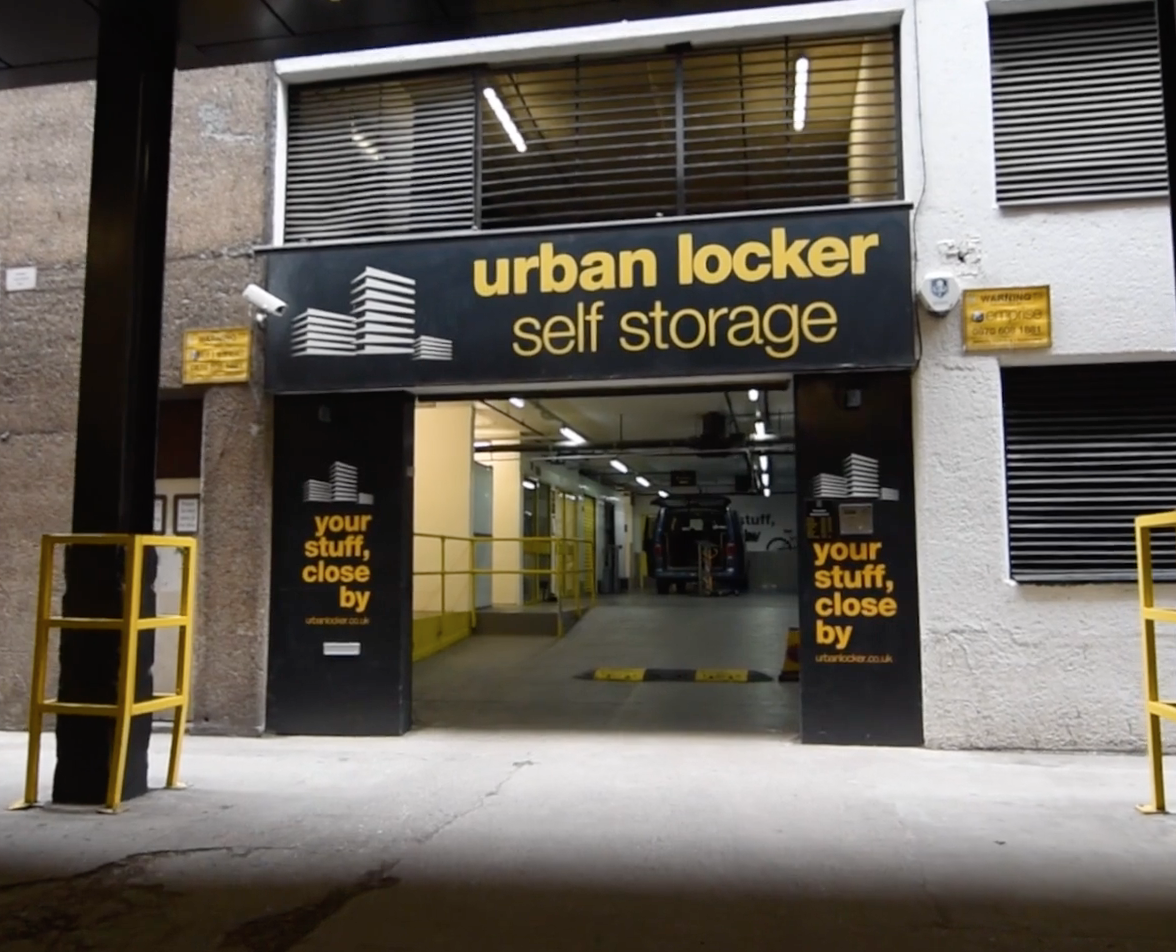
If you are renting a storage unit for the first time, it is completely normal to wonder what the process involves.
Whether you are moving, downsizing or simply running out of space at home, a storage unit is a simple and flexible way to keep your belongings organised and secure.
Knowing what to expect helps you prepare properly, make good decisions and avoid last minute stress.
Modern self storage is designed to be easy and secure, but not all facilities operate in the same way. Understanding what is included, how access works and what features matter will help you choose the right option for your needs.
Choosing the Right Facility
The first step is finding a storage provider that suits you. Take a little time to compare nearby facilities, look at prices and check reviews.
A reputable storage company should offer clean units, strong security and staff who can answer questions.
Storage units come in different sizes, so think about what you plan to store. Measure larger items before renting. A unit that is too big wastes money, while a unit that is too small makes it difficult to store everything safely.
Starting Your Rental
Once you have chosen a facility, starting the rental is usually straightforward. Most places let you reserve a unit online or in person.
You will need to provide identification, sign a rental agreement and make your first payment.
The contract will outline access times, payment terms and items that are not allowed in storage. Most facilities prohibit food, flammable items and anything hazardous. If you are unsure, ask before moving in.
Storage companies usually offer flexible rental periods. If you need to extend because your move is delayed, most will allow it. Some provide discounts for long term rentals, so ask if you know you will need the unit for several months.
Accessing Your Unit
After signing your agreement, you can normally start using the unit straight away.
You will be given a code, key or access card to enter the facility and open your unit. Always check the opening hours so you know when you can visit.
If the facility has limited access hours, this is often for security reasons rather than inconvenience. Staff are usually on site during opening hours, which helps keep the premises monitored and safe.
What Storage Units Look Like
When you arrive, you will see different unit types and sizes. Some are indoors and accessed through hallways. Others are drive-up units that let you unload directly from your vehicle.
Inside, units are clean, dry and protected. Many facilities offer additional features such as climate control, CCTV and gated entry. These extra measures help protect your belongings from theft, damage and changes in temperature or humidity.
If you are storing valuable items, electronics or paperwork, consider asking about climate controlled storage. It keeps sensitive items in stable conditions.
Moving Your Items In
Once you have your access details, you can begin moving items into your unit.
Most facilities offer trolleys or carts to make things easier. Drive-up units are particularly convenient because you can move items directly from your car or van.
When packing your unit, place heavier items on the bottom and lighter items on top. Leave walkways so you can reach things later. Clear labels on boxes will save you a lot of time when you need to find something.
If you will visit the unit often, store important items at the front so you do not have to unpack everything each time.
Security and Peace of Mind
Security is one of the biggest considerations for anyone using storage. Modern facilities take this seriously.
Most have CCTV, secure fencing, coded gates and on site staff. Some units even have individual alarms for extra reassurance.
If you are storing expensive items, always check what security measures the facility uses before signing your agreement.
Insurance is another important point. Some storage providers require you to insure your belongings. You can usually buy insurance through them or provide proof of your own policy. Insurance protects you financially if anything unexpected happens.
Costs and Payments
The cost of renting a storage unit depends on the size of the unit, the location and how long you plan to rent it. Prices in cities are usually higher because demand is greater.
Most facilities run on monthly contracts, although some offer weekly or long term options. Payments are normally taken automatically by card or direct debit.
Some places may ask for a refundable deposit for keys or locks. This is returned once you empty the unit and leave it clean. Always keep a copy of your rental agreement and receipts for your records.
Ending Your Rental
Finishing your rental is usually simple. Most facilities only require short notice, often between one and fourteen days.
To end your contract, remove all items, clean the unit and return your key or access card. Once this is done, the facility will close your account.
If you have paid ahead of time, check whether any unused time can be refunded. This varies depending on the company’s policy.
