Can self storage be used for art collections?
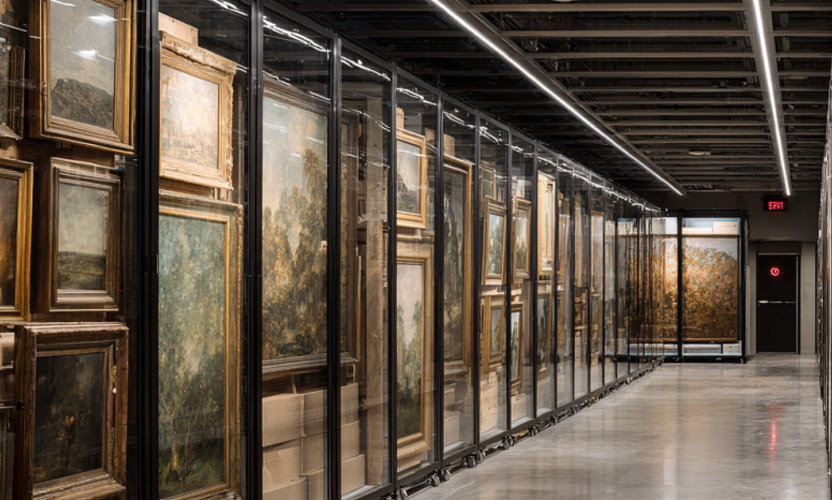
Storing art is about control. Temperature, humidity, light and access all need to be predictable if you want paintings, prints and sculptures to look as good in ten years as they do today.
With the right facility and a few museum-inspired habits, self storage can be a safe, flexible option for both private collectors and galleries.
Climate control comes first
Most damage to art starts with unstable environments.
Aim for a steady temperature in the human-comfort band and a stable mid-range humidity so canvases do not slacken, wooden panels do not warp and paper does not cockle. Many museums operate roughly between 18°C and 24°C with 40–60% relative humidity. What matters most is keeping the environment consistent rather than chasing one perfect number.
Keeping the room stable is only part of the job. Light also ages pigments and papers, so you want storage to be dim and UV-filtered. Museums limit light exposure on sensitive works to very low levels and avoid direct sunlight completely. A dark unit with UV-safe lighting is the best way to recreate that environment.
Protect against light by thinking about materials
Even in a low-light unit, you will move, pack and retrieve pieces, so the materials that touch your art matter.
Use archival-quality wraps and interleaves. Acid-free tissue or glassine are common surface barriers that prevent rubbing and surface scratches. For photographs and some papers, choose buffered or unbuffered materials depending on the process rather than using generic packing paper.
Avoid PVC sleeves and other plastics that can off-gas harmful chemicals over time. Store items inside inert boxes or folders so the artwork stays protected, even when the lights are on during a visit to your unit.
Handling and positioning reduce avoidable stress
How you store your artwork is just as important as where you store it.
Before placing anything in storage, cover the face of framed works with acid-free tissue or glassine, add edge and corner protection, and stand frames upright rather than stacking them flat. This simple step reduces the risk of warping or accidental damage.
Keep everything off the floor on shelving or pallets to avoid water damage in the event of a leak. Leave space between items so air can circulate evenly, which also helps maintain a stable climate throughout the unit.
Keep pests out with simple, museum-style routines
Pests can be a nightmare for art collections, but prevention is simple.
Keep the unit clean and uncluttered, avoid storing food, and use sticky traps so you can spot problems early.
Museums often check these traps on a schedule and seal entry points to keep insects out. These light-touch routines are inexpensive and prevent the kind of slow, hidden damage that fluctuating humidity can make worse.
And while a clean, stable environment goes a long way, you also need to think carefully about security.
Choose a facility that treats security as seriously as you do
Not every storage facility is created equal.
Look for modern access control, individually alarmed rooms if available, and 24-hour recorded CCTV that covers entrances and corridors. The best facilities log every entry and exit, so there’s a clear record of who has been near your collection. So whether your using a storage unit temporary or while you travel the world looking for more unique art, having the right unit is essential for keeping your artwork safe.
Once security is in place, the next step is to make sure your financial protection is as strong as your physical protection.
Get the insurance right before you store
Two common mistakes can cost collectors dearly.
First, you need to declare the replacement value of your artwork to the storage provider or a specialist insurer. Undervaluing pieces, even unintentionally, can reduce any payout if something goes wrong.
Second, some self-storage policies have surprisingly low limits for fine art, often capping individual items well below their true value. If your collection includes high-value pieces, consider a specialist art policy or confirm that your existing insurer will cover goods stored offsite.
Once your insurance matches the value of your collection, you can start thinking about the systems you’ll use to keep the unit organised and efficient.
Run your unit like a small collection store
Make a simple inventory with photographs and condition notes for each piece so you can refresh your memory later if you need to.
You will also need to check the unit on a schedule to spot leaks, pests or equipment failures early. Finally, use data loggers for temperature and humidity so you can prove the environment has been stable over time.
When it comes to storage, keep artworks in boxes or slipcases where possible, and use UV-safe glazing for framed pieces. These small habits mirror what museums do behind the scenes and keep your collection protected while in storage.
They also make it easier to rotate pieces in and out for display or lending, which is where self storage truly shines as a flexible solution for collectors.
So, can self storage be used for art collections?
Yes, provided you treat the space like a controlled environment rather than a spare garage.
Choose a truly climate-controlled facility, use archival materials, keep light and pests under control, choose robust security, and make sure your insurance matches the true value of your collection.
By following these steps, you can turn a good self storage unit into a reliable extension of your collection care.